How to Choose the Right Cruise Itinerary for Your Family

Okay so let's talk about the moment that trips up almost every family before they even book a cruise. You open up the search results, you see a hundred different itineraries, and suddenly you are staring at a wall of port names you cannot pronounce and sea day counts that mean absolutely nothing to you yet. Which one is actually right for your family? Most people just pick whatever looks prettiest on the thumbnail and hope for the best.
I get it. There is a lot to consider, and picking blind is how families end up exhausted on day three wondering why they booked an itinerary packed with early excursions when what they really needed was a slow morning by the pool. The good news is that choosing the right cruise itinerary is not about luck. It is about understanding a few key things ahead of time so you can pick a trip that actually fits how your family likes to travel.
Let's break it down.
Start With Your Family's Energy Level, Not the Destination List
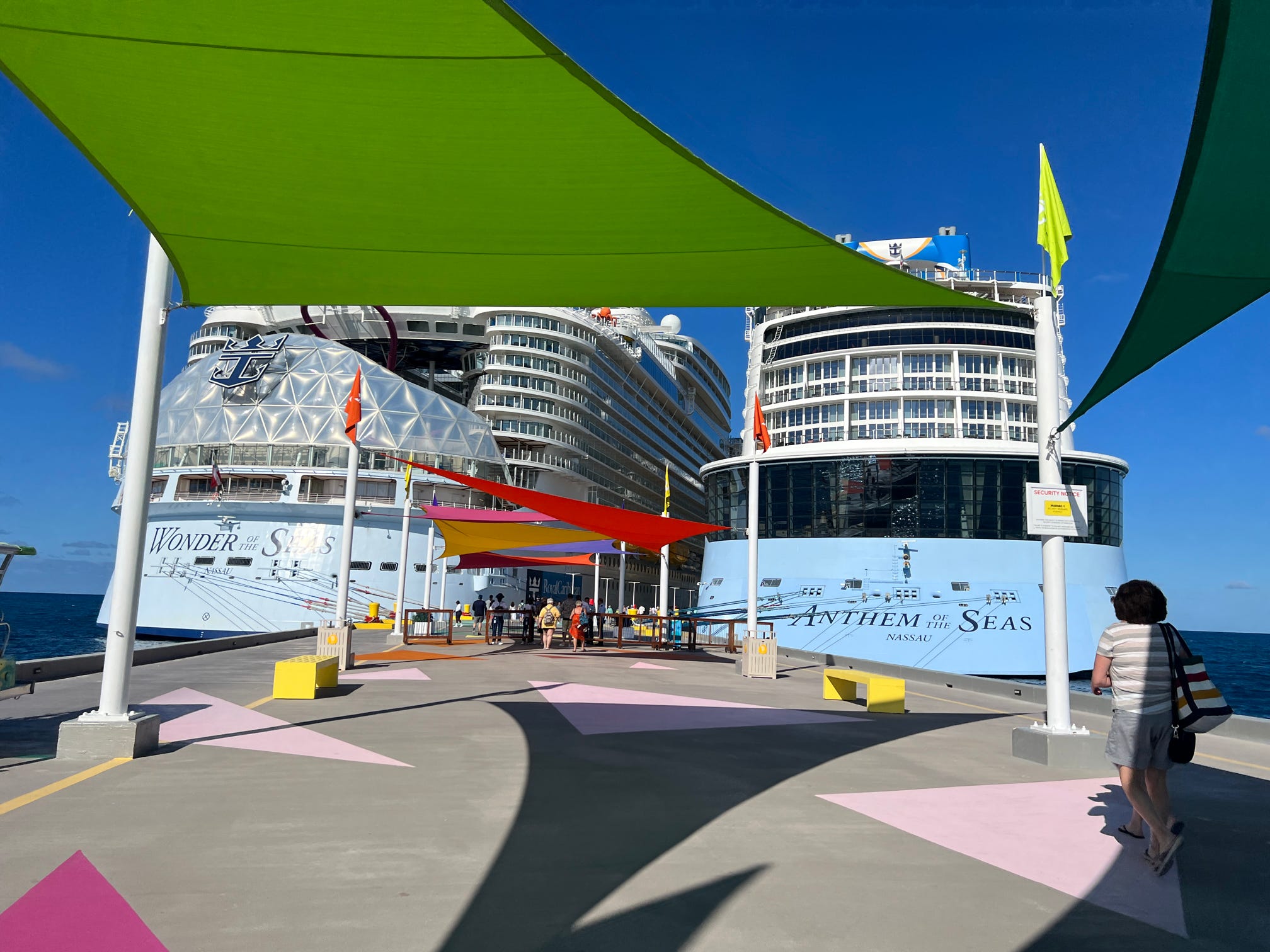
This is the part everyone skips, and it is the most important one. Before you even look at where the ship is going, think about how your family actually likes to vacation. Are you the type who wants to be off the boat and exploring the second it docks? Or are you the family who dreams about sleeping in, ordering room service, and maybe making it to the pool deck by eleven?
Neither answer is wrong, but they lead to very different itineraries. A packed schedule with a new port every single day sounds exciting on paper, but if your family needs downtime to recharge, that pace can leave everyone cranky and worn out by the middle of the cruise. On the other hand, if your crew gets restless without something to do, a cruise with too many sea days back to back might feel like it is dragging.
Knowing your family's natural rhythm first makes every other decision so much easier.
Understand What a Sea Day Actually Means
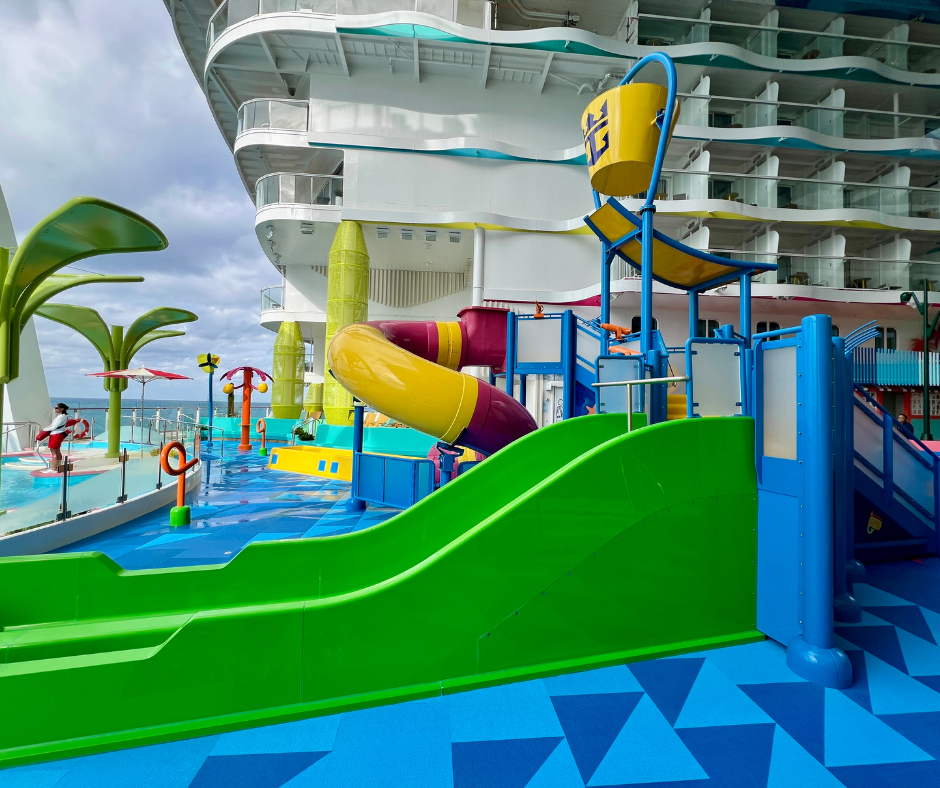
Sea days get a bad reputation, but they are honestly one of the best parts of cruising when you understand what they are for. A sea day just means the ship is sailing and not stopping at a port, so you have the whole day to enjoy everything on board. Think pools, water slides, shows, trivia, spa time, and for the kids, the youth clubs that let them make friends while you actually get to relax.
For families with little ones or anyone who tends to get overstimulated, sea days are a built in reset button. For families who want nonstop adventure, one or two sea days sprinkled throughout an itinerary still gives everyone a chance to catch their breath before the next port. The trick is finding the right ratio of sea days to port days for your specific crew, not just picking whichever itinerary has the most stops.
Think About Port Days Like a Menu, Not a Checklist
Here is something that surprises a lot of first time cruisers. You do not have to get off the ship at every single port. I know that sounds wild when you are paying for the trip, but some of the most relaxing cruises happen when families treat port days like a menu instead of a checklist. Pick the excursions that genuinely excite you, and give yourselves permission to skip a port or stay on board if that particular stop does not interest your family or if everyone just needs a slower day.
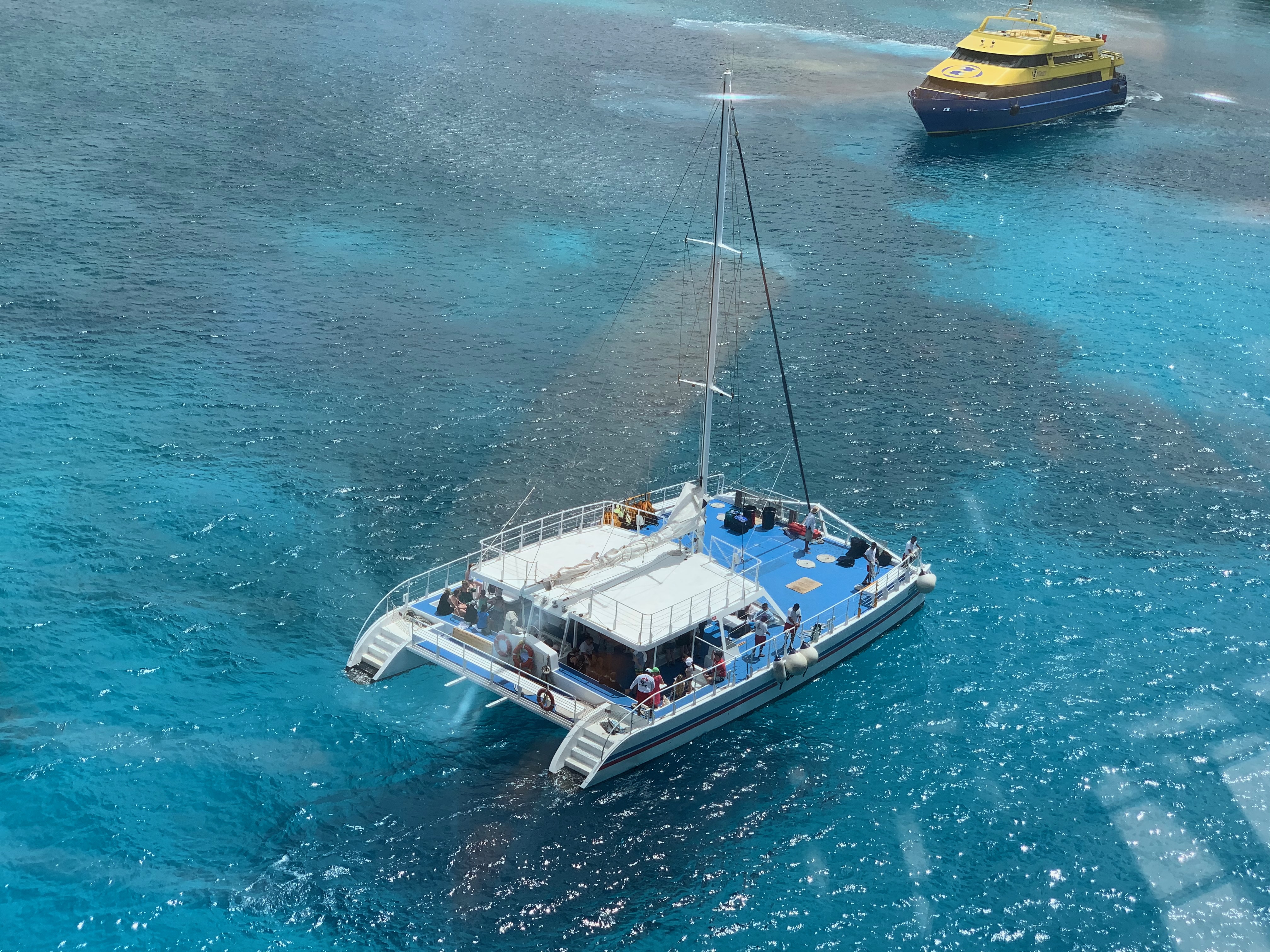
When you are looking at an itinerary, pay attention to what each port actually offers. A port known for adventurous excursions like ziplining and snorkeling is going to feel very different from a port known for beach relaxation or shopping. If your itinerary is loaded with ports that do not match what your family enjoys, that is a sign to look at a different sailing, even if the destination names sound impressive.
Consider the Time in Port, Not Just the Number of Stops
This one trips people up constantly. Two itineraries can visit the exact same number of ports, but one might give you eight hours in each place while the other only gives you four or five. That difference matters, especially with kids. A short port window can mean rushing through an excursion, skipping lunch on shore, or feeling like you barely stepped off the ship before it is time to head back.
When you are comparing itineraries, look at the actual arrival and departure times for each port, not just the list of destinations. More time in port usually means a more relaxed, enjoyable day for your family, even if it means visiting one less place overall.
Factor In Embarkation Day and the Last Full Day
Two days on every cruise deserve special attention when you are picking an itinerary, and they are easy to overlook. Embarkation day, the day you board, is usually a sea day by default since the ship needs time to sail toward its first port. That is actually a wonderful thing because it gives your family a low pressure day to settle in, explore the ship, and figure out where everything is before the real adventure starts.
The last full day before returning home is another one to pay attention to. Some itineraries end with a port day, which can feel rushed since you know you have to pack and get ready to disembark soon after. Others end with a sea day, which tends to feel like a much gentler wind down to the trip. Neither is better across the board, but knowing which one your itinerary has helps you set the right expectations before you even leave home.
Match the Itinerary to Your Family's Season of Life
A cruise itinerary that is perfect for a couple celebrating an anniversary might not be the right fit for a family with a toddler and a middle schooler. Think about who is coming with you and what they each need. Families with very young kids often do better with itineraries that have more relaxed pacing and familiar, easy ports. Families with older kids or teens might crave a mix of adventure ports that let everyone try something new.
If you are traveling with multiple generations, this becomes even more important. Grandparents might want a slower pace with plenty of sea days, while your teenagers are hoping for adrenaline filled excursions. The right itinerary finds a balance, or at the very least, gives everyone enough options each day that nobody feels like they are stuck doing something that is not for them.
Do Not Forget About the Ship Itself
Here is a detail that gets overlooked constantly. The itinerary matters, but so does the actual ship you are sailing on. Bigger ships tend to have more onboard activities, more dining options, and more entertainment, which can be a huge plus on sea days or for families who want lots to do without ever stepping off the boat. Smaller or older ships sometimes offer a quieter, more intimate feel, which some families genuinely prefer.
Before locking in an itinerary, it is worth taking a look at what the ship itself offers, not just where it sails. The perfect ports paired with a ship that does not fit your family's vibe can leave you wishing you had looked a little closer before booking.

Bringing It All Together
Choosing the right cruise itinerary really comes down to knowing your family first and letting that guide every other decision. Think about your natural pace, how much port time actually matters to you, what kind of excursions genuinely excite your crew, and what season of life your family is in right now. When all of those pieces line up with the itinerary you choose, the whole trip feels less like a gamble and more like it was planned specifically for you.
And honestly, that is exactly what a real plan should feel like.
If all of this itinerary talk feels like a lot to sort through on your own, that is exactly where I come in. I help families and couples match up with the right ship, the right itinerary, and the right excursions so the whole trip feels effortless from the moment you book to the moment you sail home. If you are ready to stop guessing and start planning a cruise that actually fits your family, reach out through my all inclusive inquiry form here and let's get started.
